Complex PTSD in Adult Children of Dysfunctional Families
Growing up in a dysfunctional family might be hard to recognize from the outside. Your parents fed, clothed, and sheltered you, always held jobs, and have been married for decades. Your family life might have even seemed normal from the outside, but the emotional chaos was still present. Sometimes subtle or not so subtle signs you picked up on like constant criticism, manipulation, or always having to carefully weigh the moods of your family because you never knew what emotional state might erupt were felt just below the surface.
This unpredictable environment of emotional immaturity, enmeshment, or narcissistic behaviors can eventually have a great impact on the adult you become. The coping mechanisms you’ve developed, like people pleasing, perfectionism, anxiety, and relationship difficulties can all be linked to your early development. Complex trauma (C-PTSD) can also develop as a result of prolonged or repeated trauma.

What Is Complex PTSD (C-PTSD)
While you may be familiar with the definition of PTSD, understanding what C-PTSD is and how it differs can help you as you begin your healing journey.
Why C-PTSD Can Be Commonly Associated With Dysfunctional Families
The major distinction between PTSD and C-PTSD is that PTSD can develop after experiencing or witnessing a traumatic event. C-PTSD can develop after experiencing ongoing trauma that is prolonged or repeated.
C-PTSD is commonly associated with developmental trauma, such as experiences that occur during childhood and influence development. When trauma happens within close relationships, particularly with caregivers, it can influence a person’s responses to how they see themselves, how they understand others, their sense of safety, how they regulate emotions, relationships, and how they respond to stress.
Childhood experiences that involve unpredictable, emotionally unavailable relationships with their caregivers disrupts what should be a dependable, safe space for emotional development. Instead, an environment riddled with externalized emotions, addiction, insecure attachment, and or chronic instability sets a child down a path where they learn to adapt to the chaos and carry it through to their adulthood.
How C-PTSD Can Affect Adult Children of Dysfunctional Families
C-PTSD doesn't always look like a collection of obvious trauma symptoms. For adult children of dysfunctional families, its effects can show up in the way you see yourself, the way your nervous system responds to the world, and the way you relate to other people.
Your relationship with yourself
Your relationship with yourself can take a big hit. If you didn’t learn healthy ways to deal with stressors or ways to communicate with others as a child, your nervous system can feel like it’s always revved up. This might look like overreacting to situations, shutting down, or experiencing sudden mood shifts.

You may also have a negative self-concept and experience negative core beliefs about yourself and the world around you that likely aren’t true stemming from your caregivers constantly dismissing your feelings or gaslighting you. In this mindset, it’s easier to feel shame and be self-critical. You might judge every mistake you make and be really hard on yourself.
Your relationship with safety
Because you didn’t experience a sense of safety as a child, as an adult you might become hypervigilant and on high alert, just waiting for something bad to happen. You might respond with avoidance or dissociate rather than deal with conflict or situations because you’ve learned to cope in this way to protect yourself.
Your relationship with others
Naturally, if you didn’t find security in your caregivers from an early age it will be harder to allow yourself to experience it in your relationships with others. Secure attachment will feel foreign to you. You may struggle with trusting others and fearing they will abandon you. You may also have weak boundaries and become enmeshed easily with those around you or you may be hyper-independent and be afraid to ask anyone for help or support.

FX’s show, The Bear, does a great job of exploring the dynamics of a dysfunctional family who experience a multitude of hurdles trying to run a restaurant. The main character, Carmy, is a fascinating depiction of what C-PTSD can look like as an adult. He has trouble controlling his emotions, has intrusive thoughts and flashbacks, has an intense desire for perfectionism in his work, and struggles in his relationships with those around him. This Substack post goes into more detail about his C-PTSD and his growth.
Why C-PTSD Can Affect More Than the Trauma Itself
C-PTSD can be more pervasive than PTSD due to the duration of the exposure to trauma. PTSD can be triggered after a specific traumatic event or experience whereas C-PTSD develops from repeated trauma, often during formative years. Because C-PTSD can affect multiple areas of a person's life, treatment may involve more than processing traumatic memories associated with a single event.
C-PTSD treatment might also address:
emotional and nervous system regulation
negative beliefs about oneself
attachment and relationship patterns
boundaries
coping strategies
grief and loss
Treatment length varies from person to person. PTSD related to a single event may sometimes be addressed in shorter-term treatment, while C-PTSD may require a longer or more comprehensive therapeutic process because there are often multiple interconnected patterns to work through.
What Can Healing Look Like for Adult Children of Dysfunctional Families?
Working on healing from what might be lifetime of trauma from living in a dysfunctional family requires patience and time. Here’s a look at some of the areas to focus on.
Learning to Regulate Emotions
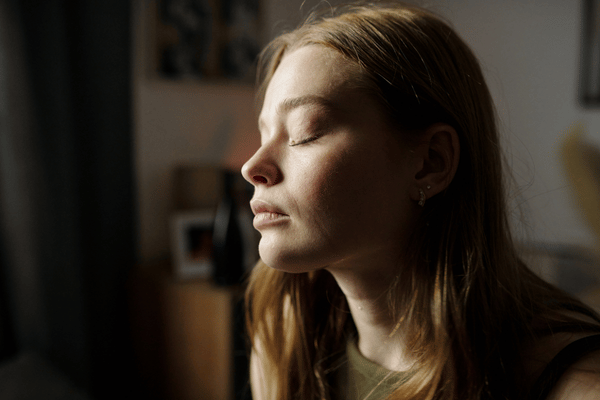
Since regulating emotions isn’t a skill that you learned from your caregivers, you will need to work on responding to emotions differently than the way you learned to as a child. This will include developing tools for recognizing and managing intense emotional responses. Being able to communicate through tough emotions will also be helpful in working through uncomfortable feelings. Acknowledge your progress and allow yourself grace as you practice emotional regulation–this is a skill that you can get better at over time. In time, you’ll learn that emotions don’t necessarily require immediate action.
Rebuilding Your Self-Concept
As mentioned earlier in this article, dysfunctional and emotionally immature parents often gaslight their children by denying or dismissing their experiences. This commonly leads to self-blame, difficulty recognizing appropriate responsibility, and contributes to negative core beliefs that something is wrong with you.
To rebuild your self-concept, you’ll first need to identify your deeply held negative core beliefs so you can work to shift them. It’s important to develop a more compassionate understanding of yourself than the one you currently hold as you work on separating your identity from messages you received growing up. Nothing is wrong with you. You are good enough as you are. It’s time to accept yourself instead of feeling broken.
Establishing Boundaries
Setting and maintaining healthy boundaries can feel especially difficult for adult children of dysfunctional families. Early on, you probably learned to put your feelings aside to prioritize your parents’ feelings. They ignored your feelings anyway, and it was just easier to help maintain the peace in your home. Now, it seems hard to create boundaries.
Again, this is a skill you can learn. Understand where your limits are for behaviors or topics that cause you stress. Practice saying no and follow through with your actions. Remember that boundaries aren’t punishment or rejection but a healthy way to protect your peace. Sometimes, creating distance from dynamics that continue to feel harmful is necessary, so know that you can control your response by leaving a situation if you need to.
Building Healthier Relationships
Healthy relationships were not modeled in your dysfunctional family, so you have to now learn what safety and reciprocation looks like. Know that healthy relationships are possible, being mindful of people who show genuine care toward you. Invest in those relationships and you’ll learn to develop trust gradually. Practice opening up more and sharing your thoughts and feelings with these people. It can feel strange and uncomfortable at first if you haven’t experienced this dynamic before, but recognize that this feeling of change is what will ultimately lead you to build healthier relationships.
Therapy and Support

Oftentimes, it can be one thing to know what you need to change in your life and another to actually take action to do so. Therapy can provide a place to recognize and understand your harmful patterns and work through them. Healing is a process, so it’s advantageous to have a trauma-informed therapist who knows how to guide you through any difficulties you may face and how to tailor your treatment depending on your history, symptoms, relationships, and goals.
Breaking Free From the Effects of a Dysfunctional Family
Being a child of a dysfunctional family doesn’t mean you are destined to repeat those patterns. The good news is that you can learn skills on how to regulate your emotions, build healthy relationships, set boundaries, and take care of your overall well-being. Simply understanding the connection between early relational experiences and current patterns can be an important first step toward healing. The next step is to take the necessary action to becoming a healthier and happier version of yourself–the one you were always meant to be.